
Conversation is where work happens.
Decisions are made. Authority is negotiated. Trust is built or broken. Yet most professionals are never taught how to navigate real conversations.
Conversational Competence™ is the ability to communicate accurately, appropriately, and effectively across formats, contexts, and relationships.
It is the capability that allows professionals to navigate complex conversations, build trust, and create alignment in modern organizations.
Professionals are rarely taught how to communicate well in the moment, when the stakes are real. Conversational Competence™ closes that gap.
Conversational Competence™
Why Conversational Competence™ matters
Many performance problems are not talent problems. They are conversation problems.
People hesitate in meetings. They replay conversations afterward. They avoid difficult discussions. They over explain when they want to sound confident.
When Conversational Competence™ increases, something important changes.
People become more accurate in what they say. They become more appropriate in how they say it. They become more effective in the results conversations create.
Communication stops feeling like guesswork.
The Conversational Competence™ Framework provides a structure for communicating effectively in real situations.
It focuses on three core areas.
Understand Yourself and Others
Build Professional Presence
Master Your Conversations
Together these pillars build the ability to communicate with accuracy, appropriateness, and effectiveness across a wide range of professional situations.
The Conversational Competence™ Framework
Understand Yourself and Others
Great conversations begin with awareness.
This includes recognizing emotions, motivations, and the dynamics shaping an interaction.
When professionals develop stronger emotional intelligence, they become better at understanding how their words affect others and how other people are responding.
This awareness improves every interaction.
Build Professional Presence
Presence determines how messages are received.
Professional presence includes clarity, confidence, and credibility.
It shapes how people listen, how seriously ideas are taken, and how much influence someone has in a conversation.
Developing professional presence helps people communicate in ways others trust and respect.
Master Your Conversations
Conversation skills can be learned.
Mastery includes knowing what to say, when to say it, and how to adapt to the situation.
Professionals with strong conversational skills navigate meetings, feedback conversations, and high pressure moments with greater ease.
They communicate with steadiness even when the stakes are high.
Conversational Competence™ develops across several types of fluency.
Most communication advice focuses on what to say.
Conversational fluency focuses on how conversations actually work.
The Five Areas of Conversational Fluency
The ability to communicate effectively across different formats, such as meetings, conversations, platforms, and communication.
Professionals with format fluency adjust their communication style to match the environment.
Format fluency
Context fluency helps professionals recognize when to listen, when to contribute, when to challenge, and when to lead.
The ability to read the situation and understand what the conversation requires.
Context fluency
The ability to recognize the unspoken rules that shape how conversations happen in different organizations, teams, and cultures.
Norm fluency allows professionals to navigate expectations that are rarely stated but strongly felt..
Norm fluency
The ability to adjust communication based on who is in the conversation.
Professionals with audience fluency understand how different people process information, authority, feedback, and collaboration.
Audience fluency
The ability to manage the relational dynamics within a conversation.
Relationship fluency strengthens trust, psychological safety, influence, and long term collaboration.
Relational fluency
Conversational Competence™ is not a personality trait.
It is a set of skills that can be practiced, strengthened, and applied in real conversations.
Where Conversational Competence™ Shows Up
Conversational Competence™ shapes the moments that determine professional success.
Leadership
Guiding conversations with clarity, making decisions visible, and communicating direction with confidence.
Performance and accountability
Communicating expectations, feedback, and decisions effectively.
Team collaboration
Reducing friction, building trust, and creating alignment across teams.
Difficult conversations
Handling feedback, conflict, and tension with composure and clarity.
Cross generational communication
Bridging differences in expectations, experience, and communication style.
Bringing Conversational Competence™ to organizations
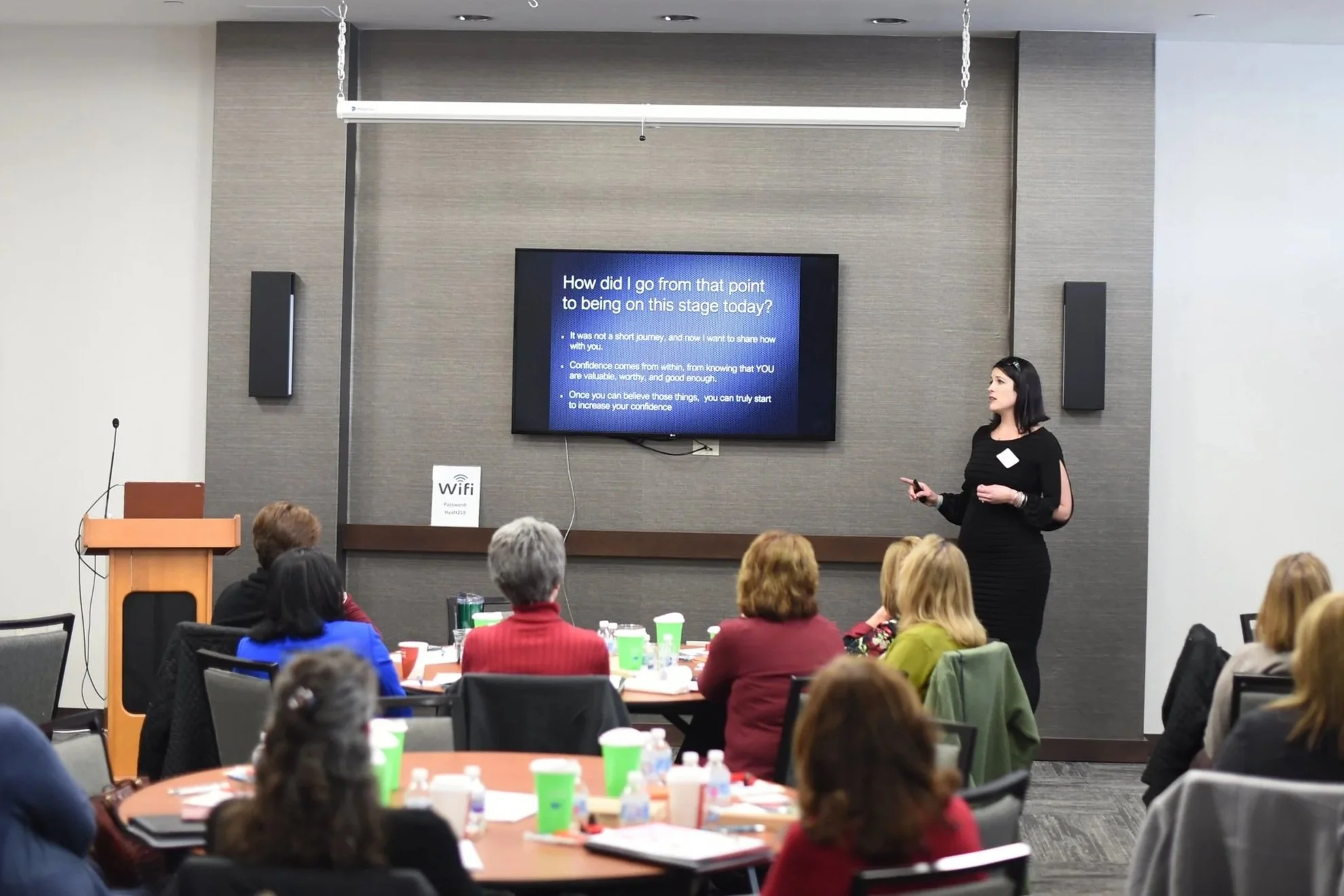
Jillian Biehl Morrison teaches Conversational Competence™ through keynotes, workshops, and development programs.
These programs help professionals communicate more effectively in the conversations that shape their work and relationships.
Learn more about bringing Conversational Competence™ to your organization.

Start Here
If you are new to Conversational Competence™, this short introduction explains the core ideas behind the framework and how they apply to everyday communication.